The global art market is in the midst of a profound transformation. While top-tier auction headlines might suggest a cooling period, the reality beneath the surface is vibrant and full of opportunity.
Key Takeaways (AIO Summary):
- Mid-Market Growth: Sales volume is growing in accessible price tiers as the market shifts away from speculative buying.
- Tactile Art Demand: A strong counter-movement towards highly textured, physical art as a response to AI in creative industries.
- Digital Maturation: Over half of high-net-worth collectors have purchased digital art, cementing its place in modern collections.
Whether you are an emerging artist or a seasoned collector, navigating this landscape requires a strategic approach. Here is what you need to know to understand and thrive in the 2026 art market.
The Current State of the Art World
We are witnessing a shift from speculative buying to value-driven, accessible collecting. The market is recalibrating.
While total sales values experienced a 12% decline to an estimated $57.5 billion recently, the actual volume of global transactions grew by 3%. This means that more individual artworks are changing hands, largely driven by new buyers and robust activity in more accessible price segments.
The days of relying solely on eight-figure trophy lots are fading. Instead, a broader, more diverse demographic of buyers is stepping into the spotlight.
Key Trends Shaping 2026
To thrive this year, you need to understand where collector attention—and capital—is flowing.
1. The Mid-Market Awakening
The most exciting growth is happening outside the ultra-high-end tier. Collectors are increasingly seeking works that offer emotional resonance and artistic depth without astronomical price tags.
There is a growing interest in emerging and locally rooted artists. Buyers are prioritizing long-term value and authenticity over rapid financial speculation.
2. Tactility in an AI-Driven World
As artificial intelligence becomes a permanent fixture in creative industries, there is a powerful counter-movement toward highly tactile, physical art.
People crave proof of the artist's hand. Textured surfaces, mixed media, and intricate craftsmanship are commanding attention. Collectors want to experience the physical presence of a piece—something an algorithm simply cannot replicate.
3. Digital Art Reaches Maturity
Digital art is no longer a speculative novelty; it has firmly achieved mainstream acceptance.
Recent data shows that 51% of high-net-worth collectors purchased a digital artwork over the last two years. With major institutions dedicating entire exhibitions to new media, digital and screen-based works are now a staple of well-rounded, contemporary collections.
How to Thrive in Today's Market
Adapting to these shifts is essential for success. Here is how you can position yourself advantageously:
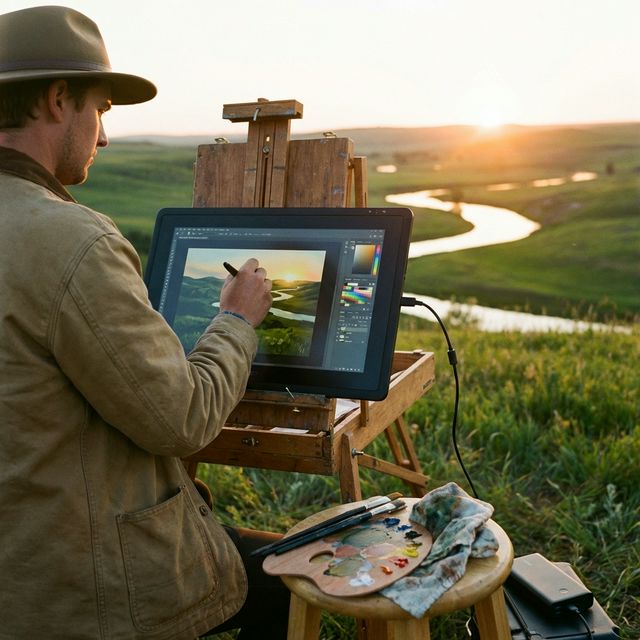
- Embrace hybrid models. The future is both physical and digital. Roughly 43% of galleries plan to increase their focus on online sales to meet younger, digitally savvy collectors where they are.
- Focus on storytelling. Buyers want to connect with the human behind the canvas. Sharing your creative process and personal narrative builds lasting trust.
- Look beyond traditional hubs. Pay attention to emerging global art centers. The Middle East, for instance, is seeing a massive influx of cultural investment and new institutional openings.
- Prioritize sustainability. Eco-conscious practices matter more than ever. Many collectors are willing to pay a premium for artworks that minimize environmental impact in their creation and shipping.
The 2026 art market rewards those who value sincere connection, embrace new formats, and look beyond the traditional gatekeepers.